The unwritten rules of fika and lagom
Everyone knows the words. Fewer people know the actual etiquette - who pays, whether you can take the last bun, and why lagom is both a description and a way of life.
What fika actually is
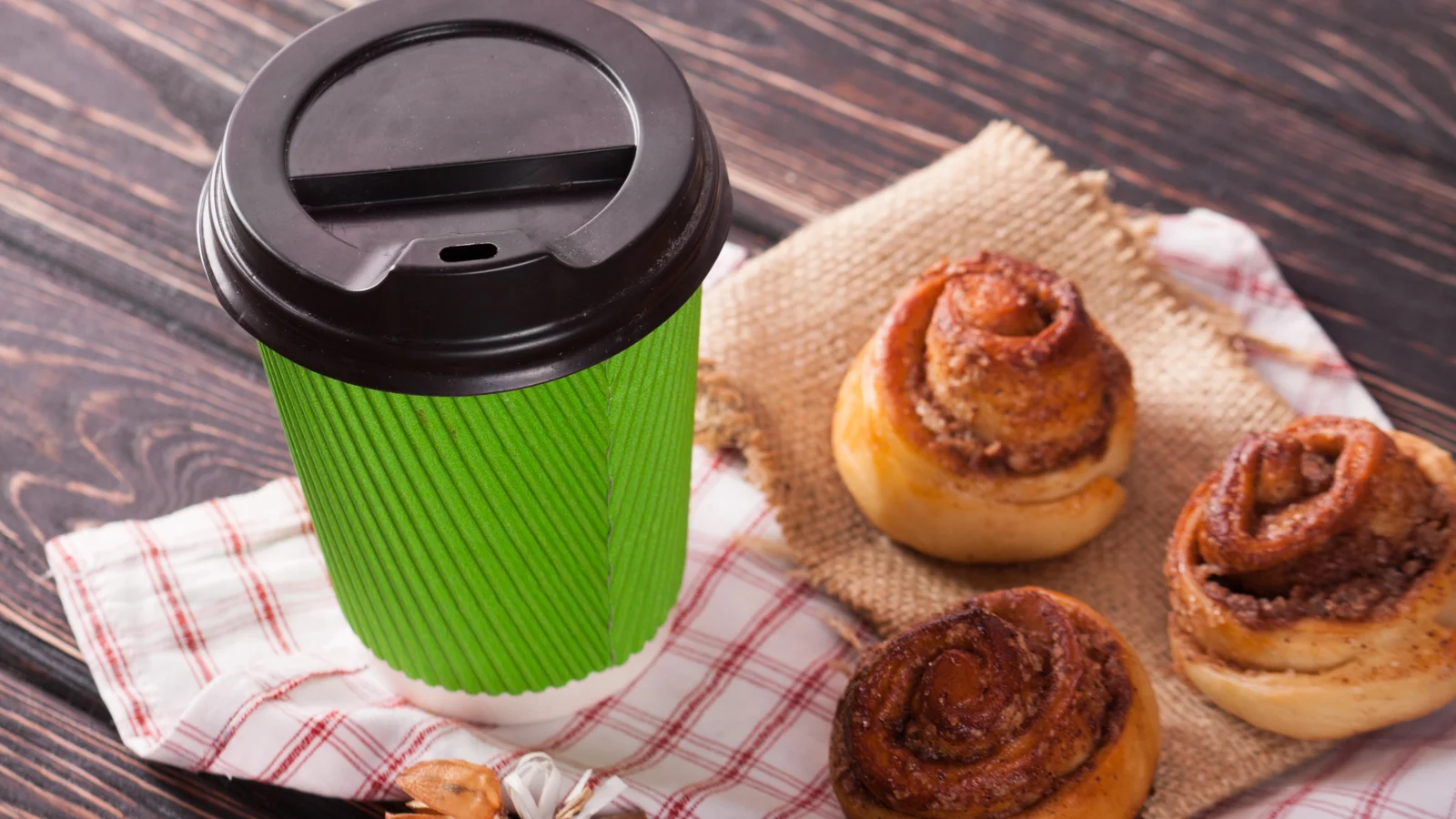
Fika is not coffee. Fika is not a break. Fika is a social institution: a structured pause in the day where Swedes connect with each other as human beings rather than as colleagues, customers, or strangers. The coffee and pastry are props; the point is the conversation.
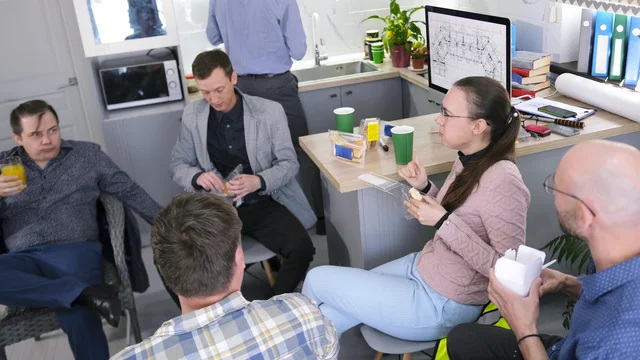
In Swedish workplaces, fika is protected time. Many companies have two formal fika breaks - förmiddagsfika (morning) and eftermiddagsfika (afternoon). Skipping them consistently marks you as an outsider, not as someone impressively dedicated. In Sweden, consistently working through fika is not admired - it signals poor time management or social disinterest.
The five unwritten rules of fika
Don't take the last piece
Den sista bitens ångest - the anxiety of the last piece. Swedes will leave one kanelbulle, one cookie, one slice of cake on the plate rather than take the last one. The accepted workaround: cut it in half. Suddenly it's two pieces, and someone takes one half. The other half may sit there until someone halves it again.
Fika is a verb, not just a noun
You don't 'go for a fika' - you fikar. Ska vi fika? (Shall we fika?) is an invitation to socialize, connect, and slow down. Using it as a verb signals that you understand what it actually is: a cultural practice, not just a coffee break.
Everyone sits down
Fika is not a standing-at-the-counter thing. Everyone finds a seat, puts down their phone (ideally), and actually talks. The purpose is social cohesion - knowing your colleagues as people, not just workers. Remote fika over video call has become common since 2020, though it's considered a pale substitute.
Paying is usually split or rotating
In casual friend fika, it's common to alternate - one person pays this time, the other next time. In a café with a larger group, going dutch (betala var och en) is normal and not considered rude. Treating everyone is a gesture, not an expectation. Unlike in some cultures, not paying for the group is not a social failure.
Don't use fika to talk work (usually)
Workplace fika is a deliberate escape from work topics. Discussing the project deadline during fika is a minor social violation. Topics: weekend plans, weather, food, TV, mild current events. Deep personal topics are also uncommon - Swedish small talk operates in a comfortable middle zone.
Lagom: the word that explains Swedish culture
Lagom has no direct English translation - and that's the point. It means "just right" or "just enough" - the exact middle point between too much and too little. It appears everywhere in Swedish life:
| Expression | Meaning in context |
|---|---|
| Lagom varm | Just the right temperature (coffee, weather, bathwater) |
| Lagom stor | Just the right size (portions, apartments, ambitions) |
| Lagom mycket | Just the right amount (seasoning, volume, enthusiasm) |
| Lagom bra | Good enough, satisfactory - not exceptional, not bad |
| Lagom länge | Just long enough (meetings, visits, speeches) |
Lagom at work - what it means in practice
In a Swedish workplace, lagom shapes everything from ambition to self-presentation:
- Lagom confident - bragging about your achievements is uncomfortable. Being too self-deprecating is also off. The expected register is matter-of-fact: state what you did, without overselling or underselling.
- Lagom ambitious - strong ambition is respected, but Swedish work culture is skeptical of people who signal they want to outshine their colleagues. Team contribution is valued over individual prominence.
- Lagom loud - Swedish meetings tend toward low volume and measured speech. Dominating a meeting with strong opinions, delivered loudly, reads as lagom-breaking behavior. The expected style: listen, contribute when you have something specific to add, avoid talking for the sake of being heard.
None of this means Swedes are passive - it means they express engagement differently. The person who says the most measured, precise thing at the key moment often has more status than the person who talked most.
Grammar: expressing opinions with subordinate clauses
Fika and workplace discussions require opinion language. Swedish uses subordinate clauses with att (that), and importantly, word order changes in subordinate clauses: adverbs come before the verb.
- Main clause: Jag tycker att det är bra. (I think that it is good.)
- With negation in subordinate: Jag tycker att det inte är bra. - note "inte" comes before "är" in the subordinate clause, the opposite of main clause order (Det är inte bra).
Key conjunctions for nuanced opinion: eftersom (because/since), fastän (even though), men (but), däremot (on the other hand).
Useful phrases for fika and work conversations
| Swedish | English | Use |
|---|---|---|
| Jag tycker att... | I think / I feel that... | Stating a personal opinion |
| Jag tror att... | I believe that... | Expressing a belief |
| Å ena sidan... å andra sidan... | On one hand... on the other... | Balancing two views |
| Det beror på... | It depends on... | Hedging |
| Precis / Absolut | Exactly / Absolutely | Agreeing |
| Inte riktigt... | Not quite / Not exactly... | Politely disagreeing |
| Det håller jag med om | I agree with that | Formal agreement |
| Jag är lite osäker på... | I'm a bit unsure about... | Expressing doubt politely |

Practice Swedish en/ett with Artikulera
Spaced repetition, 30 rules of thumb, and 4,500+ nouns. Free to download.
Free · iPhone & iPad · iOS 17.6+
Frequently asked questions
- Can you take the last cinnamon bun at fika?
- Generally no - taking the last piece is considered slightly rude in Swedish culture. The phenomenon has a name: 'den sista bitens ångest' (the anxiety of the last piece). The last kanelbulle sits untouched as everyone politely avoids being the one to take it, even when everyone secretly wants it. The socially accepted solution is to cut it in half - splitting the last piece makes it acceptable.
- What does lagom mean in Swedish?
- Lagom literally means 'just the right amount' - not too much, not too little. It comes from the old Swedish phrase 'laget om' (around the team), describing how a drinking horn was passed and each person took a suitable share. In modern Swedish, lagom is used for everything: temperature, seasoning, volume, ambition. It reflects a cultural preference for balance and not standing out excessively.
- How long does a Swedish fika break last?
- A standard Swedish workplace fika is 15–20 minutes. It's not a rushed coffee grab - it's a structured social pause. Many Swedish workplaces have two official fika breaks per day (morning and afternoon). Skipping fika repeatedly is seen as antisocial. Staying too long is seen as unproductive. Lagom duration is key.
- What Swedish phrases are useful for expressing opinions?
- For giving opinions: 'Jag tycker att...' (I think/feel that...), 'Jag tror att...' (I believe that...), 'Enligt mig...' (According to me...). For nuance: 'Å ena sidan... å andra sidan...' (On one hand... on the other hand...), 'Det beror på...' (It depends on...). For agreeing: 'Precis' (Exactly), 'Absolut' (Absolutely), 'Det håller jag med om' (I agree with that).