Recycling in Sweden - sopsortering, pant, and the miljörum
Swedish recycling is detailed, comprehensive, and takes some adjustment. Once you know the system, it becomes routine - and your neighbours will thank you for learning it properly.
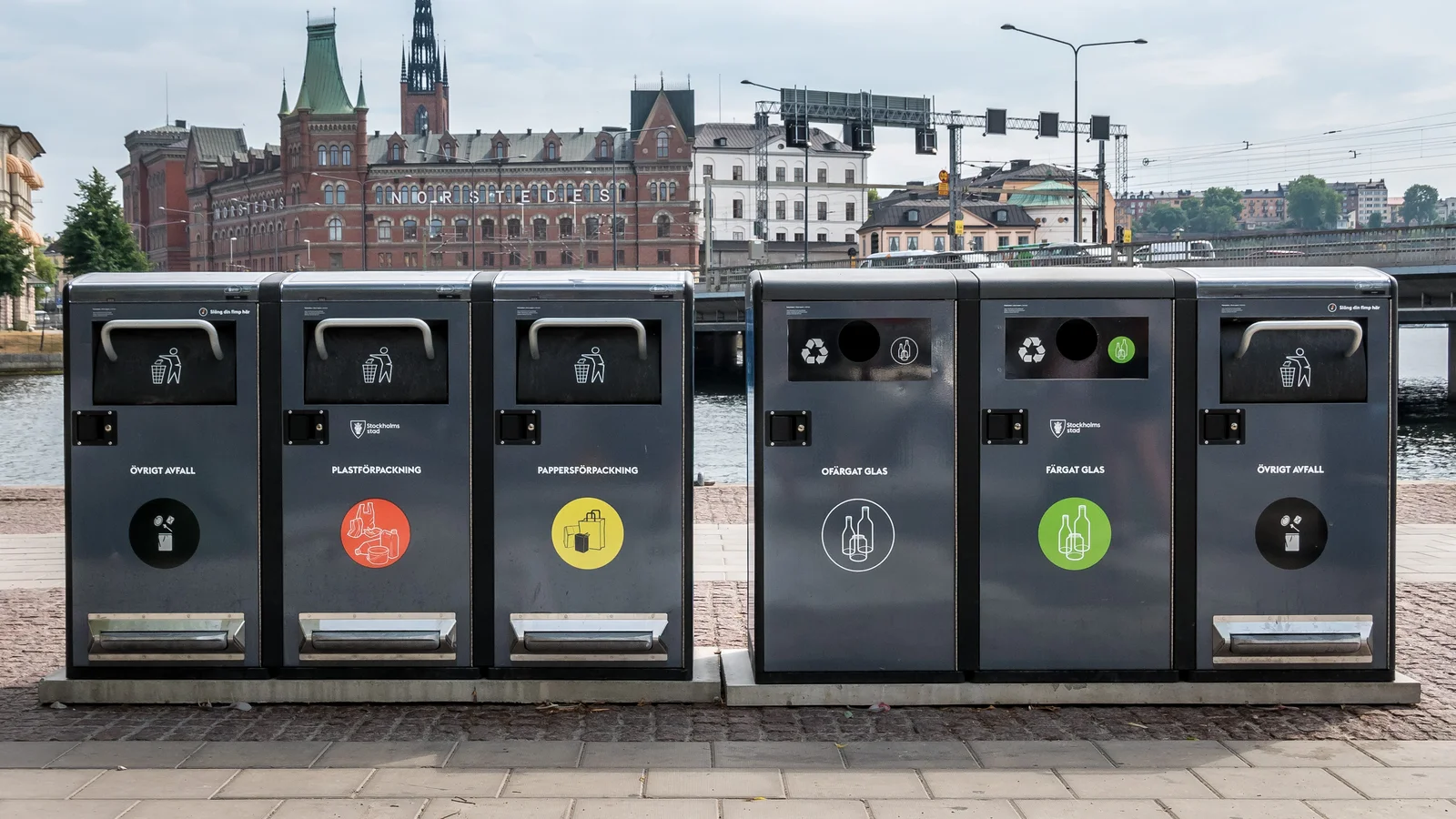
The miljörum - your building's recycling room
In most Swedish apartment buildings, a shared miljörum (recycling room) holds all the separate waste bins. If you have never seen one before, the first visit can be disorienting: nine or more labelled containers, symbols on the lids, and a set of unspoken rules that regular residents follow automatically.
The system exists because Sweden processes different waste streams separately for maximum material recovery. Matavfall (food waste) is processed into biogas. Paper and cardboard go to paper mills. Glass is melted and reused. Metals are separated by type. Keeping these streams clean - not contaminated with wrong materials - is the whole point of sorting at home.
The nine sorting categories
Exact categories vary slightly by municipality, but most Swedish buildings use this set. When in doubt about where something goes, restavfall is the default - though it is better to sort correctly when possible:
| Category | English | Examples |
|---|---|---|
| Matavfall | Food waste | Vegetable peelings, fruit, coffee grounds, eggshells, bread |
| Restavfall | Residual waste | Nappies, tissues, contaminated packaging, broken crockery |
| Pappersförpackningar | Paper packaging | Cardboard, egg cartons, paper bags, cereal boxes |
| Plastförpackningar | Plastic packaging | Plastic bottles (without pant), yoghurt pots, trays |
| Metallförpackningar | Metal packaging | Tins, foil, small metal lids |
| Färgat glas | Coloured glass | Green and brown glass bottles and jars (without pant) |
| Ofärgat glas | Clear glass | Clear glass bottles and jars (without pant) |
| Tidningar | Newspapers / paper | Newspapers, flyers, clean paper |
| El-avfall | Electronic waste | Batteries, small electronics, cables, light bulbs |
Pant - the deposit return system
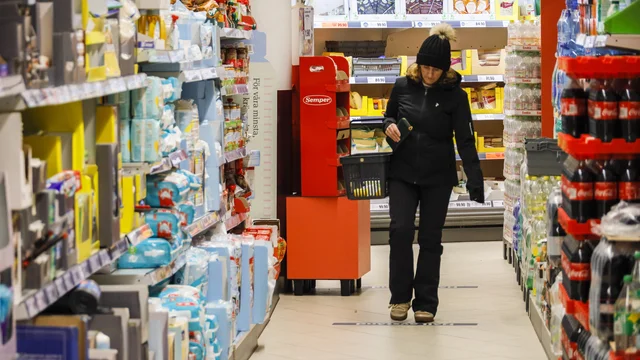
Sweden's pant system is one of the world's most effective. Most drink cans and PET bottles carry a deposit (1-2 kronor) included in the price. When you return them to a Pantstation machine at a grocery store, you receive a receipt for the deposited amount - redeemable for cash, applied to your shopping, or donated to charity.
Look for the pant symbol (a small bottle or can with a return arrow) on the packaging. This identifies containers that go into the Pantstation, not the recycling room's glass or plastic bins. The system achieves return rates above 85% - among the highest in the world.
A tip many newcomers appreciate: saving a bag of cans and bottles and returning them all at once can cover the cost of several grocery items. It is not unusual to see Swedes arriving at the Pantstation with large bags.
Grammar focus - compound nouns and "ska"
Swedish recycling vocabulary shows compound nouns at their most productive. Swedish builds complex concepts by joining words directly: plast + förpackning = plastförpackning (plastic packaging), tidnings + insamling = tidningsinsamling (newspaper collection), återvinnings + central = återvinningscentral (recycling centre). The gender of a compound noun is determined by its last component.
Instructions in recycling rooms often use ska for what goes where: "Här ska du lämna glas." (Here you should leave glass.) "Matavfall ska läggas i bruna påsar." (Food waste should be put in brown bags.) Understanding ska as an instruction word helps decode signs and notices throughout Swedish daily life.
Key vocabulary with gender
Compound nouns ending in -ing (like sopsortering, återvinning) are reliably en-words. Miljörum, matavfall, and restavfall are ett-words. The pant is en (panten).
| Swedish | English | Definite | Gender |
|---|---|---|---|
| matavfall | food waste | matavfallet | ett |
| restavfall | residual waste | restavfallet | ett |
| återvinning | recycling | återvinningen | en |
| sopsortering | waste sorting | sopsorteringen | en |
| miljörum | a recycling room (in apartment building) | miljörummet | ett |
| pant | a deposit (on bottles/cans) | panten | en |
| el-avfall | electronic waste | el-avfallet | ett |
| återvinningscentral | a recycling centre | återvinningscentralen | en |

Practice Swedish en/ett with Artikulera
Spaced repetition, 30 rules of thumb, and 4,500+ nouns. Free to download.
Free · iPhone & iPad · iOS 17.6+
Frequently asked questions
- What is the miljörum and why does it have so many bins?
- The miljörum (recycling room) is a shared space in most Swedish apartment buildings where residents sort their waste into separate containers. The number of categories can be overwhelming at first - typically nine or more. Sweden has one of the most detailed household waste sorting systems in the world. Each category has a specific destination: matavfall becomes biogas or compost, pappersförpackningar go to paper mills, metallförpackningar are melted down. The sorting happens at home to enable efficient material recovery at the processing facility.
- What is pant and how does the deposit system work?
- Pant is a deposit (typically 1-2 kronor) included in the price of most drink cans and PET bottles. When you return them to a Pantstation machine - found at most grocery stores - you get the deposit back as a receipt you can redeem for cash or donate to charity. The pant system achieves recycling rates above 85% for eligible containers. Look for the 'pant' symbol (a small bottle or can icon with a return arrow) on the packaging. Cans and bottles without the pant symbol are disposed of separately.
- What goes in restavfall vs matavfall?
- Matavfall (food waste) contains kitchen scraps that will decompose: vegetable peelings, fruit, coffee grounds, tea bags, eggshells, and small bones. It typically goes in a brown bin or bag. Restavfall (residual waste) is everything that cannot be recycled or composted: used tissues, nappies, vacuum cleaner dust, broken crockery, and contaminated packaging. Many people find the boundary confusing. The rule: if it rots, it is matavfall. If it won't break down or can't be recycled, it is restavfall.
- Where do I take larger items I want to throw away?
- Large or special items go to an återvinningscentral (recycling centre), sometimes called an ÅVC or just 'tippen.' These accept furniture, electronic waste (el-avfall), paint, garden waste, large plastics, and bulky items. Most Swedish municipalities have free ÅVCs accessible by car. Some municipalities also arrange free bulky waste collection days where you can leave items on the street outside your building on a designated date. Check your municipality's website for schedules and what each facility accepts.