Allemansrätten - Sweden's right to roam
One of Sweden's most remarkable laws gives everyone the right to walk, camp, swim, and pick berries almost anywhere - including on private land. Here is how it works and what it means in practice.
What is allemansrätten?
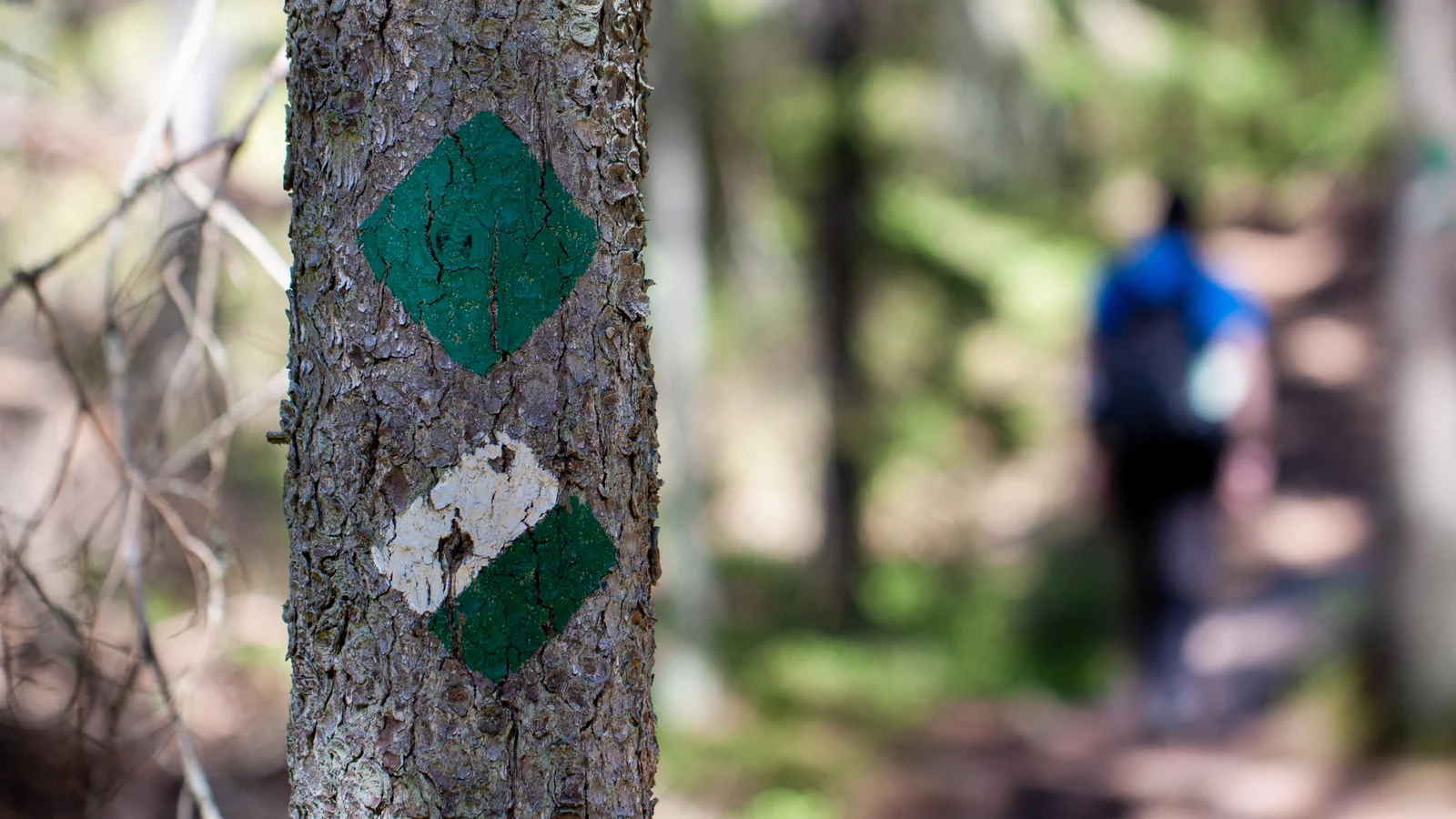
Allemansrätten - "every man's right" - is a constitutional right in Sweden that gives everyone access to nature regardless of who owns the land. You can walk through private forests, camp by private lakes, pick berries in private fields, and swim in any water body, without needing the landowner's permission. This applies to citizens and visitors equally.
The right is ancient in origin and has been part of Swedish legal culture for centuries. It was formalized in the Swedish constitution in 1994. No other Scandinavian country has the same breadth of public access rights. For many Swedes, allemansrätten is a source of genuine pride and a key part of their relationship with nature.
What you CAN do
The scope of the right is broad:
- Walk, hike, cycle, ski, or ride horseback across almost any land
- Camp for 1-2 nights in the same spot, away from houses and gardens
- Pick wild berries, mushrooms, and flowers that are not protected species
- Swim in any lake, river, or coastal water
- Light a fire on bare rock (where it is safe and not prohibited)
- Moor a boat temporarily along most shores
What you CANNOT do
The access right has clear limits, summarized in the principle "inte störa, inte förstöra" (do not disturb, do not destroy):
- You may not camp close to someone's house, in their garden, or where you disturb their privacy
- You may not drive off-road or bring motor vehicles onto private land without permission
- You may not damage trees, crops, or vegetation
- You may not disturb wildlife, especially nesting or breeding animals
- You may not light fires on the ground in dry conditions or during an eldningsförbud (fire ban)
- You may not leave any litter - pack out everything you pack in
Grammar focus - prepositions of place and "får"
Swedish prepositions of place appear constantly in discussions of allemansrätten. The most useful pairs:
- i skogen - in the forest (location)
- på marken - on the ground (surface)
- längs kusten - along the coast
- vid sjön - by the lake (proximity)
- nära huset - near the house
The modal verb får expresses permission and prohibition - essential for understanding and explaining the rules:
- "Man får tälta här." - You are allowed to camp here.
- "Man får inte elda." - You are not allowed to light a fire.
- "Får jag plocka svamp här?" - Am I allowed to pick mushrooms here?
Nature reserves and special areas
Allemansrätten applies broadly but does not override the rules of naturreservat (nature reserves). These may have additional restrictions: no camping, no fires, staying on marked paths, no picking plants. Always check the signage and rules at the entrance to a nature reserve before assuming the full scope of the right applies.
Nationalparker (national parks) have stricter rules than ordinary countryside. Marine reserves have their own regulations. When in doubt, read the notices at the entrance.
Key vocabulary with gender
Nature vocabulary is a mix of en and ett words. En stig (path), en sjö (lake), en svamp (mushroom), en markägare (landowner) - all en-words. Ett tält (tent), ett naturreservat (nature reserve), ett eldningsförbud (fire ban) - ett-words. The definite forms matter when giving and receiving directions: stigen (the path), sjön (the lake), skogen (the forest).
| Swedish | English | Definite | Gender |
|---|---|---|---|
| naturreservat | a nature reserve | naturreservatet | ett |
| markägare | a landowner | markägaren | en |
| eldningsförbud | a fire ban | eldningsförbudet | ett |
| stig | a path / trail | stigen | en |
| tält | a tent | tältet | ett |
| svamp | a mushroom | svampen | en |
| sjö | a lake | sjön | en |
| allemansrätt | the right to roam | allemansrätten | en |
Start practicing these Allemansrätten words today in Artikulera
📲 Import 4 of these words into Artikulera
Scan the QR code or tap the link on your phone to add the list to your practice list instantly.
Add to ArtikuleraRequires the app to be installed.

Practice Swedish en/ett with Artikulera
Spaced repetition, 30 rules of thumb, and 4,500+ nouns. Free to download.
Free · iPhone & iPad · iOS 17.6+
Frequently asked questions
- What is allemansrätten?
- Allemansrätten (the right of public access, literally 'every man's right') is a legal right enshrined in the Swedish constitution that gives everyone - citizens and visitors alike - the right to access and enjoy nature across Sweden, including on private land. You may walk, cycle, ride, ski, and camp almost anywhere in forests, fields, mountains, and along coastlines, without asking the landowner's permission. The right comes with corresponding responsibilities: you must not disturb others, damage the land, or interfere with wildlife or property.
- How long can I camp in one place under allemansrätten?
- You may camp for one or two nights in the same spot on most land. If you want to stay longer, you should ask the landowner's permission. You must camp a reasonable distance from the nearest house - typically at least 70 metres - and not in a location where you disturb the residents' privacy or daily activities. 'Reasonable distance' is interpreted practically: if you can see into someone's garden from your tent, you are too close. In practice, staying one night and moving on is the standard approach.
- Can I light a fire anywhere in Sweden?
- You may light a fire on bare rock or in a fire pit, but you may not light fires directly on the ground in dry conditions or in ways that risk spreading. During dry periods, municipalities declare an eldningsförbud (fire ban) that prohibits all open fires, including in prepared fire pits. Check the ban status before lighting any fire - the Swedish Civil Contingencies Agency (MSB) publishes current fire risk levels online. Leaving a fire unextinguished is illegal and can result in significant fines.
- What does 'inte störa, inte förstöra' mean?
- 'Inte störa, inte förstöra' means 'do not disturb, do not destroy' - the informal summary of the responsibilities that come with allemansrätten. Do not disturb wildlife (especially nesting birds), do not disturb landowners or nearby residents, and do not damage the land, vegetation, or property. This two-part formula captures the spirit of the right: access is universal, but it depends on everyone treating the land with respect. Driving off-road, cutting trees, leaving litter, and picking protected plants all violate this principle.