Föreningslivet - Sweden's club culture
Nearly every Swede belongs to at least one club or association. Föreningslivet is how communities form, how volunteers are made, and how you meet people outside of work.
What is föreningslivet?
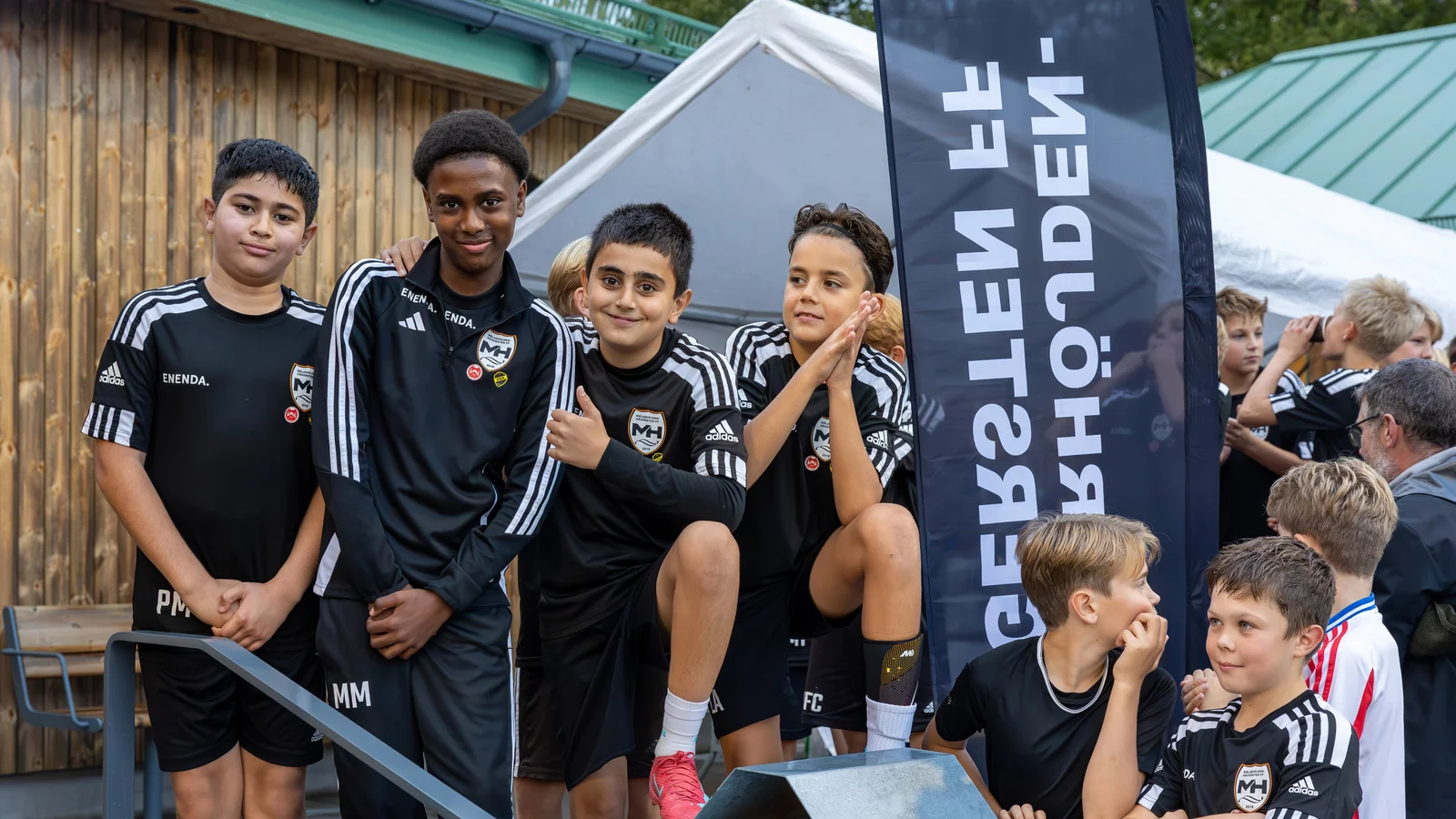
Föreningslivet - Sweden's associational life - is the network of clubs, societies, and organizations that most Swedes belong to at some point in their lives. Sports clubs are the most visible entry point: football, swimming, athletics, hockey, and hundreds of smaller sports all have local clubs in every town. But föreningslivet also includes choral societies, photography clubs, parent associations, tenant groups, and much more.
These are not informal groups. A Swedish förening (association) is a registered legal entity with bylaws, an elected board (styrelse), an annual general meeting (arsmote), and often a bank account. The structure might feel bureaucratic for a badminton club, but it reflects how seriously Swedes take collective organization. Associations receive public subsidies, which means they must meet requirements around participation and democratic governance.
Sports clubs - the easiest way in
For newcomers to Sweden, an idrottsförening (sports club) is often the most accessible entry point into föreningslivet. Fees are typically low, activities are physical and practical rather than language-heavy, and the shared goal of a sport creates natural interaction. You do not need fluent Swedish to train, play, or compete.
The Swedish sports model is deliberately inclusive. Public funding is tied to participation numbers, so clubs actively want members. Children's sports are particularly well organized, with a strong ethos of participation over competition at young ages. Adults can join recreational teams at most clubs without any prior experience of organized sport.
Ideellt arbete - the unspoken expectation
Joining a Swedish club comes with an unspoken expectation: you will contribute. Ideellt arbete (voluntary, unpaid work) is what keeps föreningslivet running. Someone runs the cafe on match day. Someone organizes transport for away games. Someone takes the minutes at the annual meeting. These roles rotate among members, and not participating while only consuming what the club offers is noticed.
This is not unique to sport. In parent associations, tenant groups, and hobby clubs, the same dynamic applies. Swedes see voluntary participation as part of what it means to belong to a community. Signing up is the easy part - showing up to help is what earns trust.
Word order in Swedish - main clause vs subordinate clause
Club life generates lots of sentences with time adverbials: when training is, when meetings happen, if you can come. In Swedish, word order changes between main clauses and subordinate clauses. In a main clause, the verb is always in second position: "Vi tranas pa tisdagar." (We train on Tuesdays.) But in a subordinate clause after att, nar, or om, the adverb moves before the verb: "Jag hoppas att vi tranas pa tisdagar." (I hope that we train on Tuesdays.) The verb stays but the adverb shifts. This pattern is consistent and worth learning early.
Key vocabulary
These words appear in club communications, meeting notices, and membership information. Knowing the genders matters: föreningen (the club), styrelsen (the board), mötet (the meeting).
| Swedish | English | Definite | Gender |
|---|---|---|---|
| förening | a club / association | föreningen | en |
| idrottsförening | a sports club | idrottsföreningen | en |
| medlemsavgift | a membership fee | medlemsavgiften | en |
| möte | a meeting | mötet | ett |
| styrelse | a board of directors | styrelsen | en |
| ideellt arbete | voluntary / unpaid work | - | - |
| laganda | team spirit | lagandan | en |
| traning | training / practice | traningen | en |
Start practicing these Föreningsliv words today in Artikulera
📲 Import 3 of these words into Artikulera
Scan the QR code or tap the link on your phone to add the list to your practice list instantly.
Add to ArtikuleraRequires the app to be installed.

Practice Swedish en/ett with Artikulera
Spaced repetition, 30 rules of thumb, and 4,500+ nouns. Free to download.
Free · iPhone & iPad · iOS 17.6+
Frequently asked questions
- What is föreningslivet?
- Föreningslivet (literally 'association life') refers to Sweden's deep tradition of civil associations - sports clubs, hobby groups, cultural societies, parent associations, and more. Nearly every Swede belongs to at least one. Associations are registered legal entities with elected boards, annual meetings, and bylaws. They receive public subsidies through a system that has existed for over a century, and they are seen as the backbone of civil society. Participating in föreningslivet is one of the fastest ways to meet Swedes outside of work.
- Do I need to be Swedish to join a sports club?
- No. Swedish sports clubs (idrottsföreningar) are generally welcoming to everyone regardless of background or language. Most communication in local clubs happens in Swedish, but at the activity level - training, matches, practice - you can participate without fluent Swedish. Fees are typically very low, especially for children and young adults. The Swedish sports system is deliberately inclusive because it receives public funding tied to participation numbers. Showing up is usually all you need to do.
- What is ideellt arbete and why does it matter?
- Ideellt arbete means voluntary, unpaid work for an organization - the kind that keeps clubs running. In Sweden, it is not optional in a social sense. Joining a club carries an expectation that you will contribute: help at competitions, serve on a committee, run the cafe on match day. This is not always stated explicitly, but it is deeply understood. Refusing to participate while only consuming the club's benefits is noticed and frowned upon. Volunteering is how Swedes build trust within a community.
- How do I find a club near me?
- Search for your sport or hobby plus 'förening' and your city name: 'fotbollsforening Stockholm' or 'schackklubb Gothenburg.' The Swedish Sports Confederation (Riksidrottsforbundet) has a club search tool. For non-sports associations, search 'studieförbund' (adult study associations) or your specific interest plus 'sallskap' or 'förening.' Facebook groups and local notice boards in libraries and ICA stores are also practical starting points. New members are usually welcomed - clubs need participants to maintain their public funding.