BankID: the key to digital Sweden
Sweden is one of the world's most cashless and digitised countries. Almost everything runs through one app: BankID.
What BankID actually is
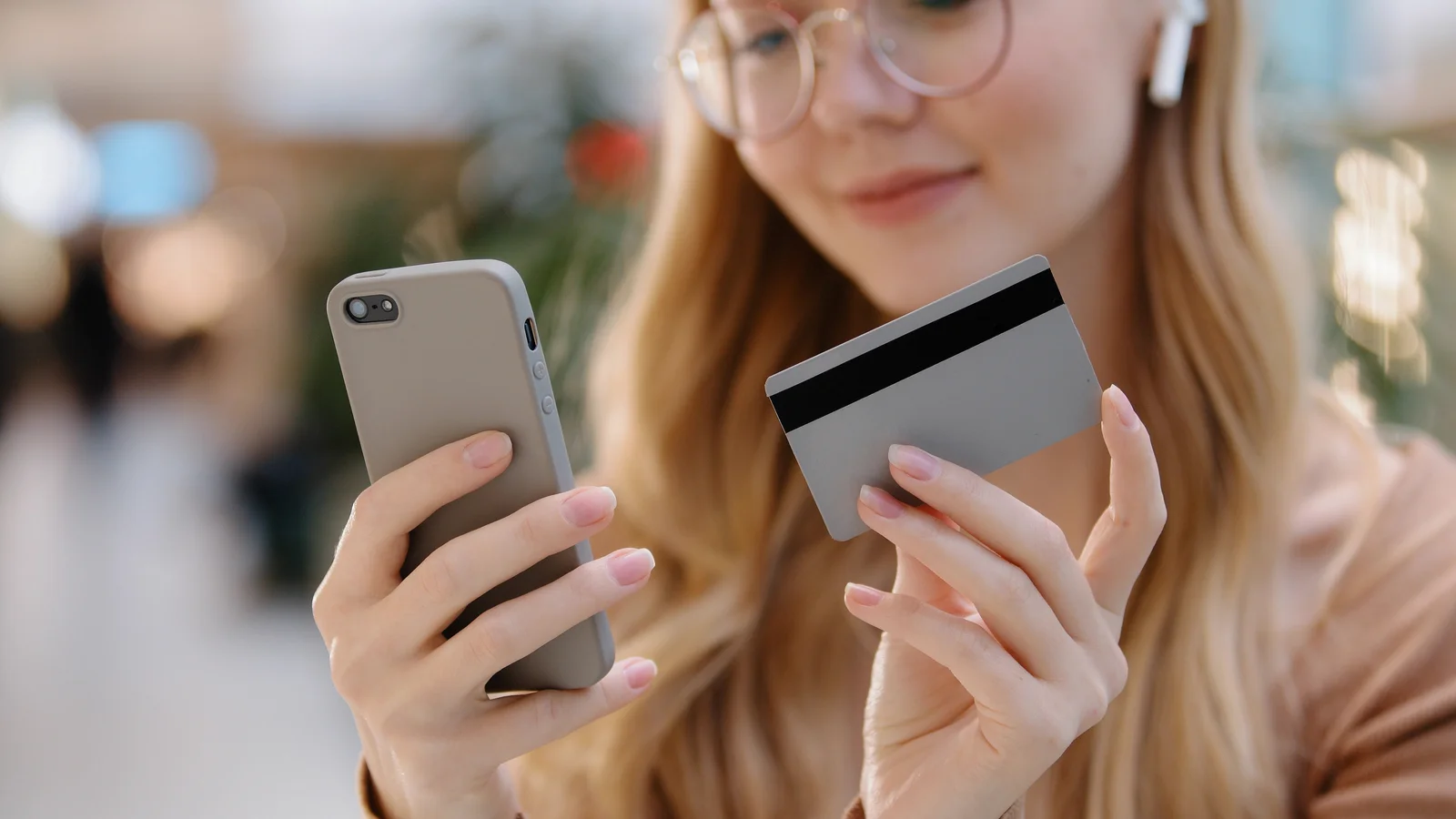
BankID is a mobile app that acts as your official electronic identity in Sweden. When a website or service needs to verify who you are, it sends a request to your BankID app. You open the app, enter your six-digit code or use biometrics, and the verification is complete. It is faster than a password and more secure than most two-factor systems.
Sweden adopted BankID early and broadly. By the mid-2010s it had become the default authentication method for almost every digital service in the country. If you live in Sweden, you will encounter BankID within your first week - and you will keep encountering it every day.
Where you will need BankID
The list of services requiring BankID is long. Here are the most important for new arrivals:
- Your bank - almost all Swedish banks require BankID to log in to internet banking.
- Skatteverket (the Swedish Tax Authority) - to file your tax return, register your address, and access personal information.
- Försäkringskassan (social insurance) - to apply for parental leave, sickness benefits, or student loans.
- 1177 (healthcare) - to book doctor's appointments, view test results, and access your medical records.
- Swish - the payment app used everywhere in Sweden.
- Apartment applications - many landlords and housing queues require BankID to register.
- Online shopping - some Swedish retailers use BankID for payment verification.
The personnummer catch-22
To get BankID, you need a personnummer - the Swedish personal identity number assigned to everyone registered as a resident. To get a personnummer, you register with Skatteverket. The registration usually takes two to four weeks. During that time, many digital services are inaccessible.
This creates a genuine catch-22 for new arrivals. Without a personnummer you cannot get BankID. Without BankID you cannot access many services. The practical solution is to use physical visits - go in person to your bank, your vårdcentral (health centre), and any authority you need. Keep your passport and any Swedish registration documents with you. It is a temporary frustration; once your personnummer arrives and you set up BankID, access to everything opens quickly.
Swish: the payment side of BankID
Swish is a real-time mobile payment system run jointly by Sweden's major banks. The verb att swisha - to send money via Swish - has fully entered Swedish. You will hear "kan du swisha mig?" (can you Swish me?) constantly when splitting bills, paying for second-hand items, contributing to a group gift, or paying at a market stall.
Swish is tied to BankID: you authenticate each payment with BankID. This makes it secure, but it also means anyone without BankID is excluded from this very common payment method. Cash is still accepted at most places, but the look of mild surprise you will sometimes get when you pay with cash reflects just how cashless Sweden has become.
Grammar focus: the s-passive
Digital instructions and official Swedish communications use the s-passive (s-passivum) heavily. It is formed by adding -s to the active verb stem. The result is impersonal and institutional - exactly the tone used in app confirmations, authority letters, and terms of service.
Compare the two passive constructions:
- s-passive: "Koden skickas till din telefon." (The code is sent to your phone.)
- bli-passive: "Koden blir skickad till din telefon." (The code gets sent to your phone.)
Both are grammatically correct, but the s-passive sounds more formal and is the one you will see in BankID prompts, bank messages, and government letters. Recognising it makes official Swedish much easier to read.
| S-passive example | English |
|---|---|
| Identifieringen slutförs. | The identification is completed. |
| Koden skickas till din telefon. | The code is sent to your phone. |
| Kontot öppnas automatiskt. | The account is opened automatically. |
| Signering bekräftas med BankID. | The signing is confirmed with BankID. |
| Ansökan skickas in. | The application is submitted. |
| Betalningen genomförs. | The payment is processed. |
Key vocabulary with gender
Digital and banking vocabulary in Swedish has a mix of genders. En e-legitimation, en myndighet, en säkerhetskod are all en-words. Ett personnummer, ett bankkonto are ett-words. Getting these right matters in everyday conversation about Swedish digital life.
| Swedish | English | Definite | Gender |
|---|---|---|---|
| e-legitimation | electronic ID | e-legitimationen | en |
| personnummer | Swedish personal identity number | personnumret | ett |
| myndighet | a government authority | myndigheten | en |
| säkerhetskod | a security code | säkerhetskoden | en |
| bankkonto | a bank account | bankkontot | ett |
| att logga in | to log in | - | - |
| att swisha | to send money via Swish | - | - |
| identifiering | an identification | identifieringen | en |

Practice Swedish en/ett with Artikulera
Spaced repetition, 30 rules of thumb, and 4,500+ nouns. Free to download.
Free · iPhone & iPad · iOS 17.6+
Frequently asked questions
- What is BankID and why does Sweden use it?
- BankID is a mobile app-based electronic ID (e-legitimation) that lets you prove your identity online. Sweden is one of the world's most cashless and digitised countries, and almost every digital interaction - logging in to your bank, filing taxes with Skatteverket, booking healthcare through 1177, signing contracts, and applying for apartments - requires BankID. It replaces physical signatures and passwords for most official purposes.
- How do I get BankID in Sweden?
- You need a Swedish personal identity number (personnummer) first. Once you have a personnummer, you go to your bank in person, prove your identity with a physical ID document, and the bank issues your BankID. Without a personnummer you cannot get BankID - this creates a real catch-22 for new arrivals who need BankID to access services before they are fully registered in Sweden.
- What is Swish and how is it connected to BankID?
- Swish is a mobile payment app used almost universally in Sweden for splitting bills, paying at flea markets, sending money between friends, and paying for parking or school trips. It is tied directly to BankID - you cannot set up or use Swish without BankID. Once you have BankID, Swish is straightforward. The verb 'att swisha' is part of everyday Swedish.
- What is the s-passive and why does it appear in BankID instructions?
- The s-passive (s-passivum) is formed by adding -s to the verb stem and is used constantly in digital instructions and official communications. Examples: 'Identifieringen slutförs' (The identification is completed), 'Koden skickas till din telefon' (The code is sent to your phone), 'Kontot öppnas' (The account is opened). It has an impersonal, institutional feel. The s-passive differs from the 'bli + past participle' passive: 'Koden skickas' vs 'Koden blir skickad'. Both are correct; the s-passive sounds more formal and is common in written instructions.