Dansband: Sweden's glittery dance band tradition
Live bands, outdoor dance floors, and the gentle social ritual of asking a stranger to dance. Dansband is unlike anything else in European popular culture.
What dansband actually is
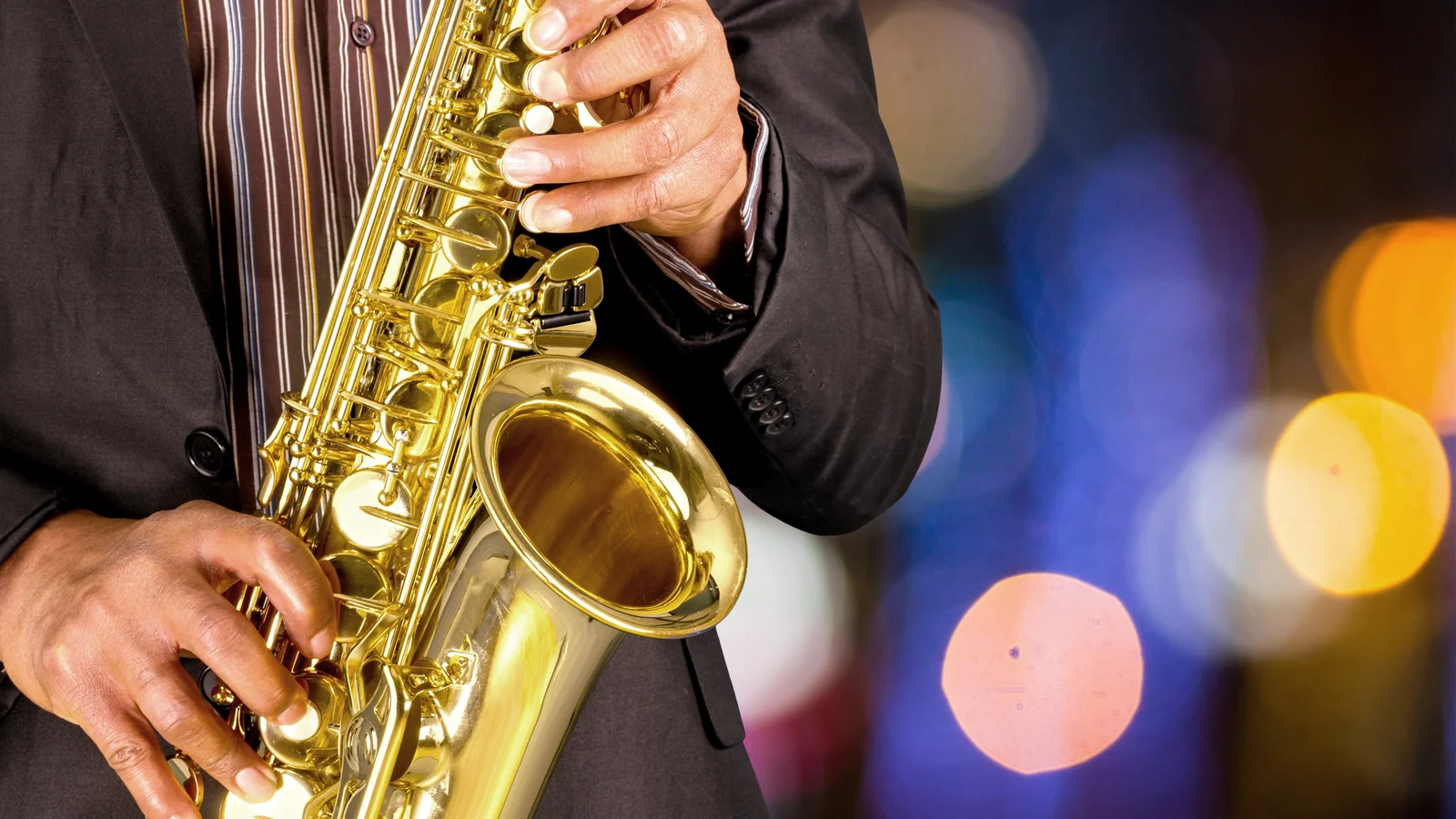
Dansband is a genre and a social event in one. The bands - typically five to eight musicians with a lead singer - play a mix of Swedish pop, schlager classics, and international hits arranged for couple dancing. The sound is polished, melodic, and deliberately accessible. The goal is not to showcase musicianship but to keep people dancing.
At its peak in the 1970s and 80s, Sweden had hundreds of active dansband touring the country. Names like Vikingarna, Thorleifs, and Lasse Stefanz became household names with millions of record sales. The genre has declined from those heights but never disappeared. Summer weekends at folkparker still draw loyal audiences, and dedicated fans follow their favourite bands across the country.
Folkparker: the venues
To understand dansband, you need to understand folkparker. These community parks - the name means "people's park" - were created in the early 1900s by the Swedish labour movement as affordable leisure spaces for working people. At a time when most entertainment was expensive or private, folkparker offered outdoor concerts, dancing, and simple food and drink at accessible prices.
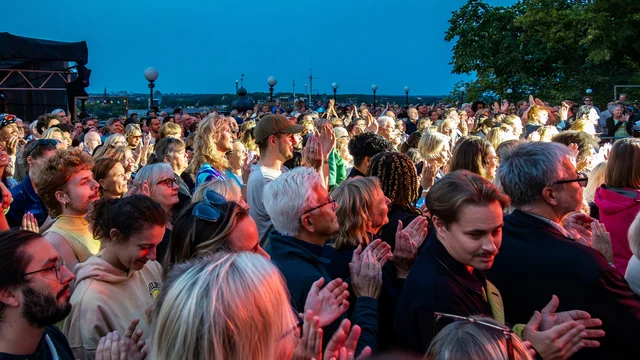
Almost every Swedish town has a folkpark. Many have been updated and modernised; others retain their original wooden dance pavilions and summer atmosphere. In summer, a dansband evening at the folkpark is a distinctly Swedish experience: families spread blankets on the grass, couples fill the dance floor, and the band plays until midnight under the long Nordic evening light.
The dances
The heart of dansband culture is the dancing itself. Bugg is the most Swedish of the dansband dances - a couple dance with a characteristic 6-count rhythm, reminiscent of jive but with a distinctly Swedish style. It is energetic and rhythmic, suited to the upbeat numbers that fill most dansband setlists. Learning to bugga is a practical social skill in Sweden, and classes are widely available.
Foxtrot and vals (waltz) cover the slower numbers. Hambo, a traditional Swedish folk dance, sometimes appears at events with a more traditional flavour. The ability to move between these dances over the course of an evening is what regular dansband visitors develop over years.
The social ritual: att bjuda upp
The phrase att bjuda upp - literally "to invite up" - means to ask someone to dance. At a dansband evening, this is not just common; it is expected. Men ask women, women ask men, friends ask friends. The tradition holds that refusing is impolite unless you have a clear reason. Between dances you return to your seat; the next song may bring another invitation from someone you have never met.
This social openness is one of dansband culture's most distinctive features. In a country where casual conversation with strangers is not always the norm, the dance floor creates a space where the rules are different - where asking a stranger to dance is not bold but simply the done thing.
Grammar focus: prepositions with music and entertainment
Swedish prepositions around music, dance, and entertainment follow patterns that are worth learning explicitly. The choice between till, på, and i changes meaning in ways that do not always match English.
| Phrase | English | Note |
|---|---|---|
| dansa till en låt | dance to a song | till for the music you move to |
| lyssna på musik | listen to music | på for the content you receive |
| titta på folk | watch people | på for what you observe |
| gå på konsert | go to a concert | på for events and shows |
| spela på scen | perform on stage | på for surfaces and platforms |
| sjunga i mikrofon | sing into a microphone | i for enclosed spaces |
Key vocabulary with gender
Dansband vocabulary mixes en- and ett-words. En folkpark, en dansbana, en vals, and en spellista are en-words. Ett dansband and ett dansnöje are ett-words. Remembering that band and compound nouns ending in -nöje tend to be ett-words is a useful pattern.
| Swedish | English | Definite | Gender |
|---|---|---|---|
| dansband | a dance band | dansbandet | ett |
| folkpark | a public community park with dance facilities | folkparken | en |
| dansbana | a dance floor or outdoor dance pavilion | dansbanan | en |
| att bugga | to dance the bugg | - | - |
| att bjuda upp | to ask someone to dance | - | - |
| vals | a waltz | valsen | en |
| dansnöje | a dance event or entertainment | dansnöjet | ett |
| spellista | a setlist or playlist | spellistan | en |

Practice Swedish en/ett with Artikulera
Spaced repetition, 30 rules of thumb, and 4,500+ nouns. Free to download.
Free · iPhone & iPad · iOS 17.6+
Frequently asked questions
- What is dansband?
- Dansband is a Swedish genre of live music performed at dance halls and outdoor parks (folkparker) for couple dancing. The bands play a mix of Swedish pop, older schlager, and international hits arranged for dancing. The genre peaked in the 1970s and 80s when Sweden had hundreds of active dansband, but it remains a living tradition with dedicated fans and regular events, especially in summer.
- What is a folkpark in Sweden?
- A folkpark is a community park set up to provide affordable leisure for working people, originally developed by the Swedish labour movement in the early 1900s. Almost every Swedish town has one. Most folkparker have an outdoor dance floor (dansbana), a stage, a cafe, and sometimes a small funfair. Dansband evenings are a summer staple at folkparker, often drawing large local crowds.
- What dances are performed at dansband events?
- The main dances are bugg (a Swedish couple dance similar to jive, with a characteristic 6-count rhythm), foxtrot, vals (waltz), and sometimes hambo (a traditional Swedish folk dance). Bugg is the most distinctly Swedish and is often what people mean when they say 'dansa' at a dansband event. Classes are widely available. The ability to dance bugg is a genuine social skill in many parts of Sweden.
- Is it rude to refuse a dance at a dansband event?
- By tradition, refusing an invitation to dance (att bli bjuden upp) is considered impolite. The custom of asking a stranger to dance is an important part of the social ritual, and the accepted practice is that you accept unless you have a specific reason not to. This tradition is more strictly observed by older generations and varies by venue, but understanding it helps you navigate the social dynamics at a folkpark evening.