BingoLotto - a Swedish Sunday tradition
Since 1991, BingoLotto has been part of the Swedish weekend ritual. Buy a ticket, watch the show, mark your card. Here is the history, the format, and the vocabulary.
A program that united generations
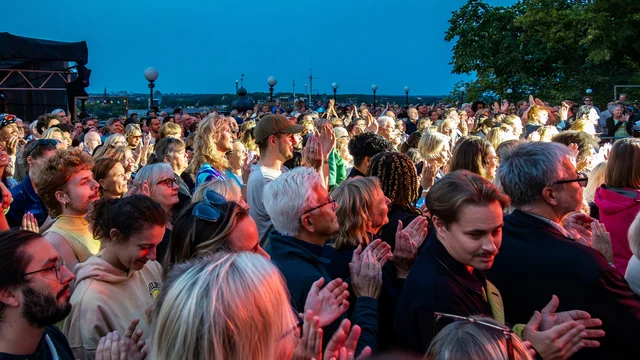
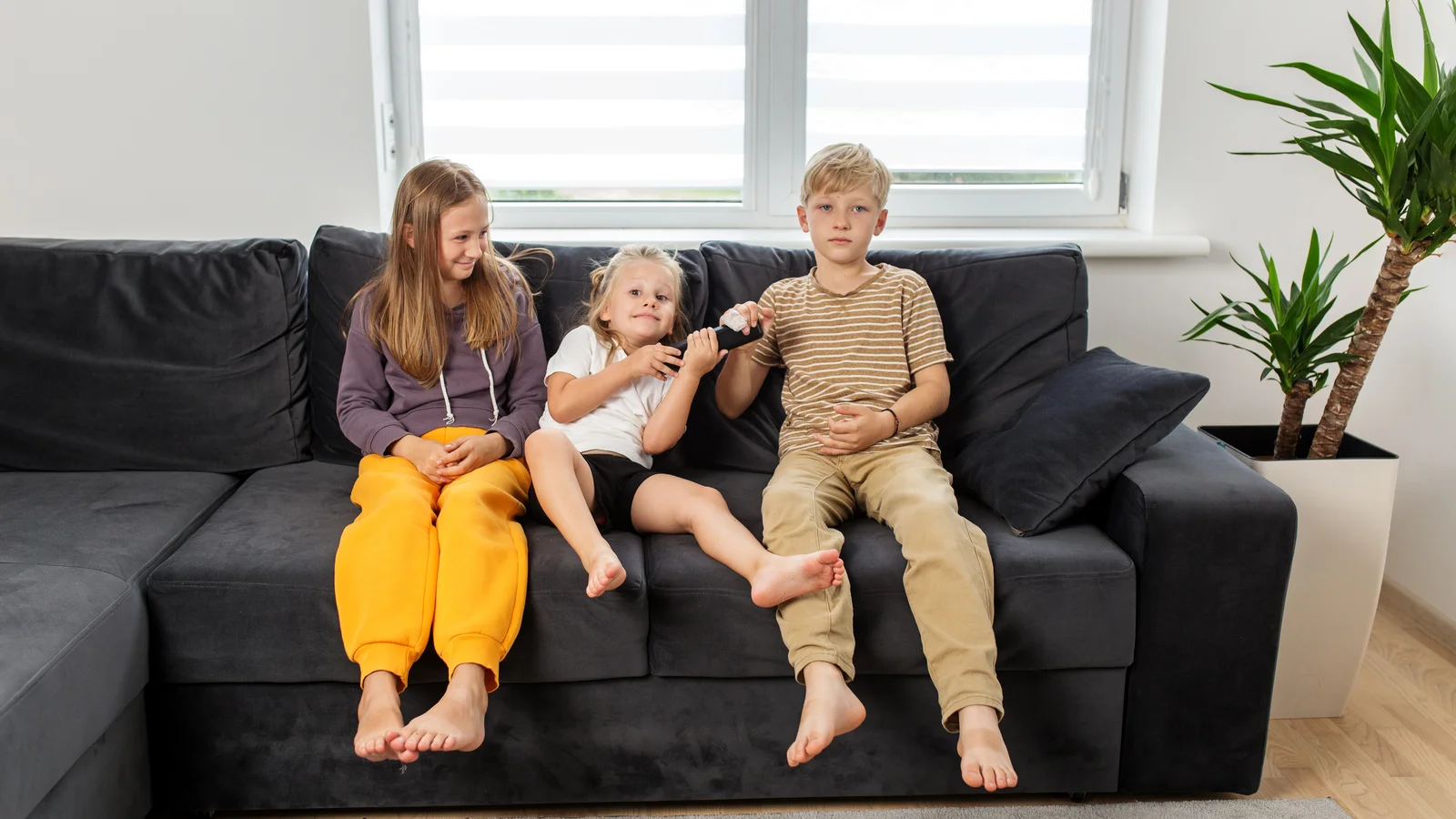
BingoLotto launched in 1991 and quickly became one of Sweden's most-watched television programs, broadcast on Sunday evenings by TV4. At its peak, millions of Swedes tuned in - families, pensioners, and young adults - all following the same ritual: buy a lott (ticket) at a kiosk or ICA during the week, register it, and watch to see if your numbers came up.
The program had a dual appeal. The lottery element was real - prizes were genuine, and winners were announced live. But the format was also designed as entertainment, with hosts, celebrities, and audience participation that made watching feel social even at home. Sunday evenings became BingoLotto time for a generation of Swedish families.
How the format works
The lott (ticket) is the starting point. Each ticket contains a code that links it to a bingobricka (bingo card) used during the broadcast. During the show, numbers are called out - ropas ut - and viewers mark their cards with a duttpenna (daubing marker). A completed row (rad) or a full card wins a prize. Separate scratch sections on the ticket allow instant wins before the show even airs.
The combination of a take-home ticket, a physical card, and a live broadcast made BingoLotto genuinely interactive in an era before smartphones. Checking your lott - rätta lotten - was part of the ritual. Proceeds went to Swedish sports associations through Folkspel, giving the lottery a civic dimension beyond personal winnings.
Uppesittarkvallen
The most culturally significant BingoLotto broadcast is uppesittarkvällen - the Christmas Eve late-night edition. After the traditional julafton celebrations and the julbord dinner, families would stay up to watch the year's biggest draw. The name translates roughly as "the staying-up evening," and it captures the sense of an occasion worth breaking the normal bedtime for.
For many Swedes, watching uppesittarkvällen together became as much a part of Christmas Eve as the food or the presents. Even as viewing habits have shifted, the term remains in the cultural memory as shorthand for a shared late-night moment.
Cardinal and ordinal numbers in context
Bingo is a practical context for learning both types of Swedish numbers. Cardinal numbers are used when numbers are called: "Nummer tjugofyra!" Ordinal numbers appear when describing rows completed: "Andra raden är klar!" (The second row is done!) Swedish ordinal numbers are formed regularly from cardinals, with a few irregular early numbers to memorize.
| Cardinal | English | Ordinal |
|---|---|---|
| ett | one | 1:a - första |
| två | two | 2:a - andra |
| tre | three | 3:e - tredje |
| fyra | four | 4:e - fjärde |
| tio | ten | 10:e - tionde |
| tjugofyra | twenty-four | 24:e - tjugofjärde |
Key vocabulary with gender
The bingo and lottery vocabulary is mostly common-gender: en lott, en bingobricka, en vinst. Getting the definite forms right - lotten, brickan, vinsten - is useful when you discuss the results.
| Swedish | English | Definite | Gender |
|---|---|---|---|
| lott | a lottery ticket | lotten | en |
| bingobricka | a bingo card | bingobrickan | en |
| duttpenna | a bingo marker / dauber | duttpennan | en |
| vinst | a prize / win | vinsten | en |
| att ropa ut | to call out (numbers) | - | - |
| att rätta lotten | to check / scratch the ticket | - | - |
| uppesittarkvällen | Christmas Eve late-night broadcast | uppesittarkvällen | en |
| rad | a row (on the bingo card) | raden | en |
Start practicing these BingoLotto words today in Artikulera
📲 Import 3 of these words into Artikulera
Scan the QR code or tap the link on your phone to add the list to your practice list instantly.
Add to ArtikuleraRequires the app to be installed.

Practice Swedish en/ett with Artikulera
Spaced repetition, 30 rules of thumb, and 4,500+ nouns. Free to download.
Free · iPhone & iPad · iOS 17.6+
Frequently asked questions
- When did BingoLotto start and why did it become so popular?
- BingoLotto launched on Swedish television in 1991, broadcast by TV4 on Sunday evenings. It quickly became one of the most-watched programs in Sweden, drawing millions of viewers at its peak. Part of its appeal was the combination of a genuine lottery (viewers could win real money) with the social ritual of watching together. The format also channeled proceeds to Swedish sports associations through the organization Folkspel, giving participants a sense that their lott was supporting something beyond personal gain. Sunday evening was family television time, and BingoLotto occupied that slot for years.
- What is uppesittarkvällen?
- Uppesittarkvallen (literally 'the evening of staying up') is the special Christmas Eve edition of BingoLotto, broadcast late on the evening of December 24th. For many Swedish families, watching it became a Christmas tradition: after the traditional julbord dinner and the julafton celebrations, the family would stay up together to watch the final results of the year's biggest BingoLotto draw. The name captures the sense of staying up past a normal bedtime for a shared occasion. Even as viewing habits have changed, uppesittarkvällen retains nostalgic significance for many Swedes.
- How does the BingoLotto format work?
- Participants buy a lott (ticket) from a kiosk, ICA, or other retailer. The ticket has a code that is registered and corresponds to a bingobricka (bingo card) used during the TV broadcast. During the show, numbers are called out (ropas ut), and viewers mark their cards with a duttpenna (daubing marker). Prizes are won for completing rows or a full card. Separate scratch sections on the ticket allow instant wins before the broadcast. The lottery element and the broadcast element are designed to work together, making watching the show feel participatory even for those who did not win.
- Are cardinal or ordinal numbers used during bingo?
- Both are used in different contexts. Cardinal numbers (ett, tva, tre... tjugofyra) are called out during the draw: 'Nummer tjugofyra!' Ordinal numbers (första, andra, tredje... tjugofjarde) are used when describing which row has been completed: 'Andra raden är klar!' (The second row is done!) Knowing both sets is useful in any context where sequences and counting matter - not just bingo. Swedish ordinal numbers are formed regularly from cardinals, with the suffix -nde or -te: två becomes andra (irregular), tre becomes tredje, fyra becomes fjärde.